
Temperature
Process and equipment temperatures monitored in context.
Explore AI-led products designed to progress from visibility to governed autonomy.
View all products →Explore solutions organized around operational priorities—not software modules.
View all solutions →Explore how IDX-AMOS supports different processes, risks, evidence requirements, and operating models.
View all industries →Explore customer outcomes, our approach to governed AI, points of view, and the latest from INDXO AI.
Visit resources →Solutions / Connectivity
SOLUTION · CONNECTIVITYTurn readings into production context.
Bring temperature, pressure, level, and vibration sensors into the same operating context as your orders, assets, and quality data, so each reading is understood by what it means for production and not as an isolated number.
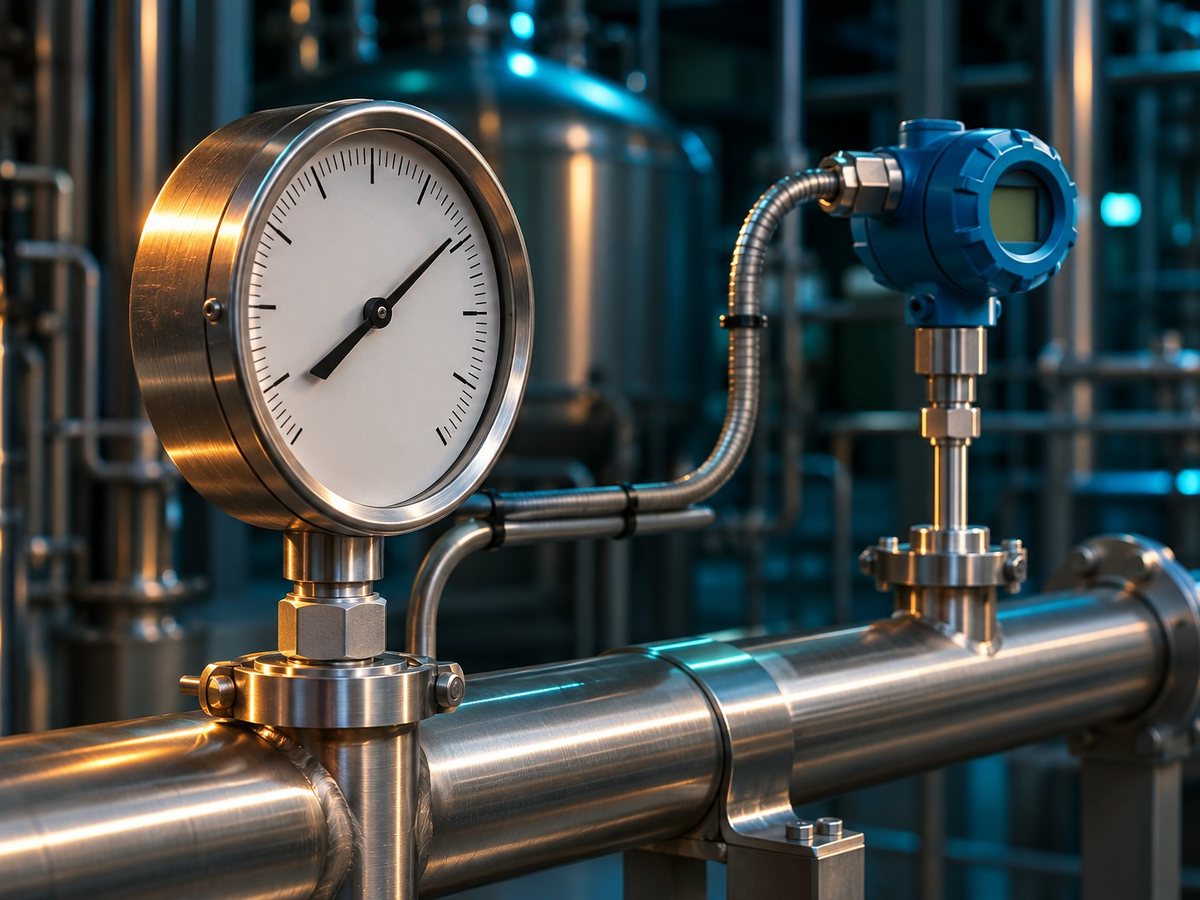
Show a number.
Shows what the number means for production.
Five places where the usual approach stops and IDX-AMOS keeps going.
Temperature on a process vessel rises slowly while pressure stays normal.
Illustrative scenarioEach shares the same IDX-AMOS operating context, so nothing works from a partial picture.
Process and equipment temperatures monitored in context.
Line and vessel pressure tracked against what is running.
Tank and hopper levels followed alongside consumption.
Rotating equipment watched for early signs of wear.

No, though you can. IDX-AMOS can run as your MES, ERP, and QMS in its own right, or work alongside the systems you already have. The right scope for your plant is agreed during the walkthrough.
Only where you allow it. It acts within the permissions, approvals, interlocks, and evidence requirements you define for each workflow. Human authority stays explicit wherever policy, safety, quality, or risk requires it.
Yes. Start with one line, one cell, or one workflow. We map the signals, decisions, and controls around it, and agree the measurable outcome before anything is scaled.