The data is trapped, not missing
Most plants do not have a data problem so much as a connectivity problem. The machines already generate signals — cycles, currents, temperatures, alarms, counts. The trouble is that much of it never leaves the machine, because the equipment is old, the controllers are proprietary, and the protocols do not talk to each other.
That is why so many AI efforts stall before they start: the model is ready, but the data behind the real constraint is locked inside equipment that was never designed to share it.
Why legacy is the real blocker
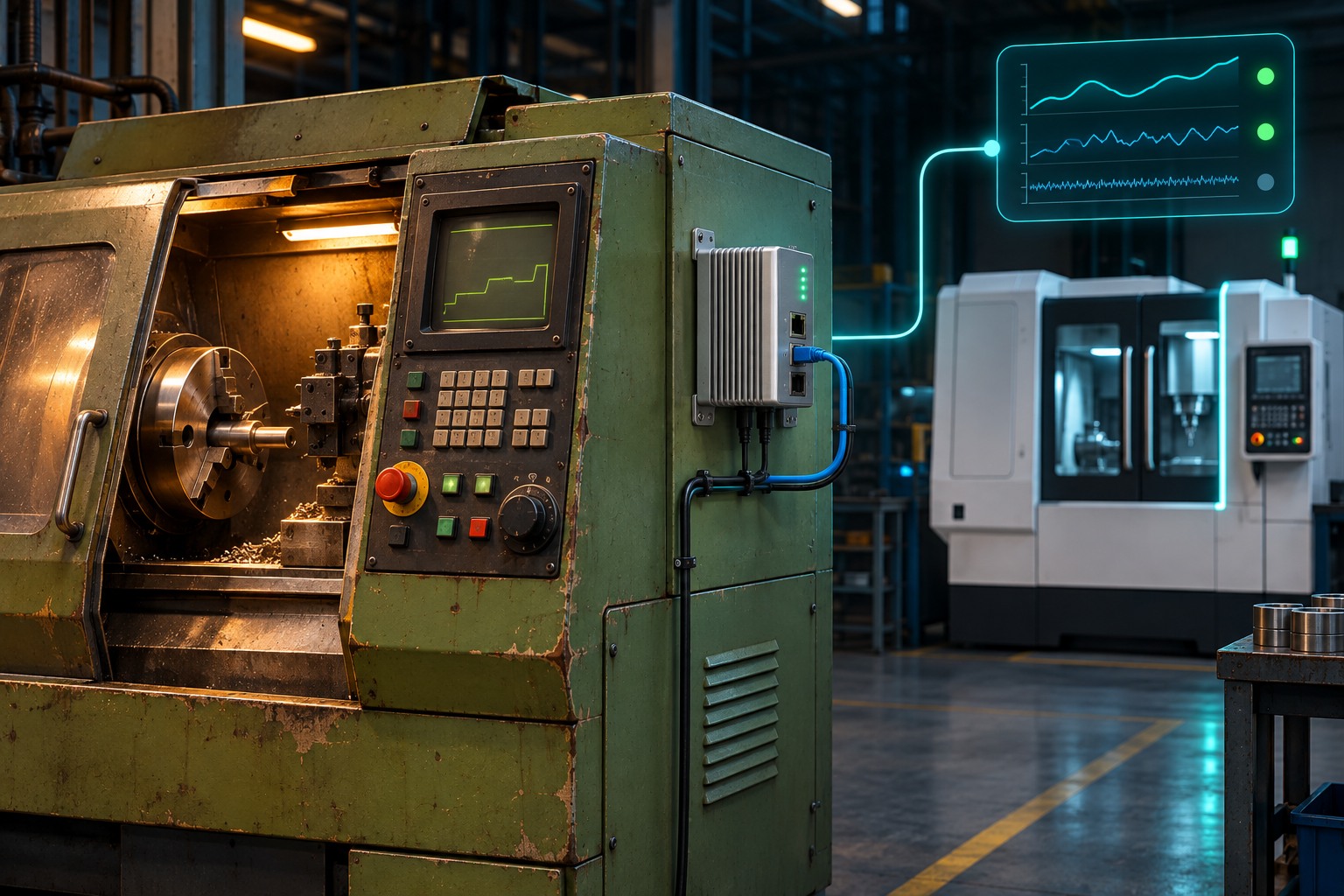
A typical floor is a mixed fleet bought over decades — digital machines alongside semi-digital and entirely non-digital ones, different makes, different ages, different controllers. Some have no native networking at all. The result is manual data collection, blind spots, and a picture of the operation that is always a step behind reality.
How modern connectivity bridges it
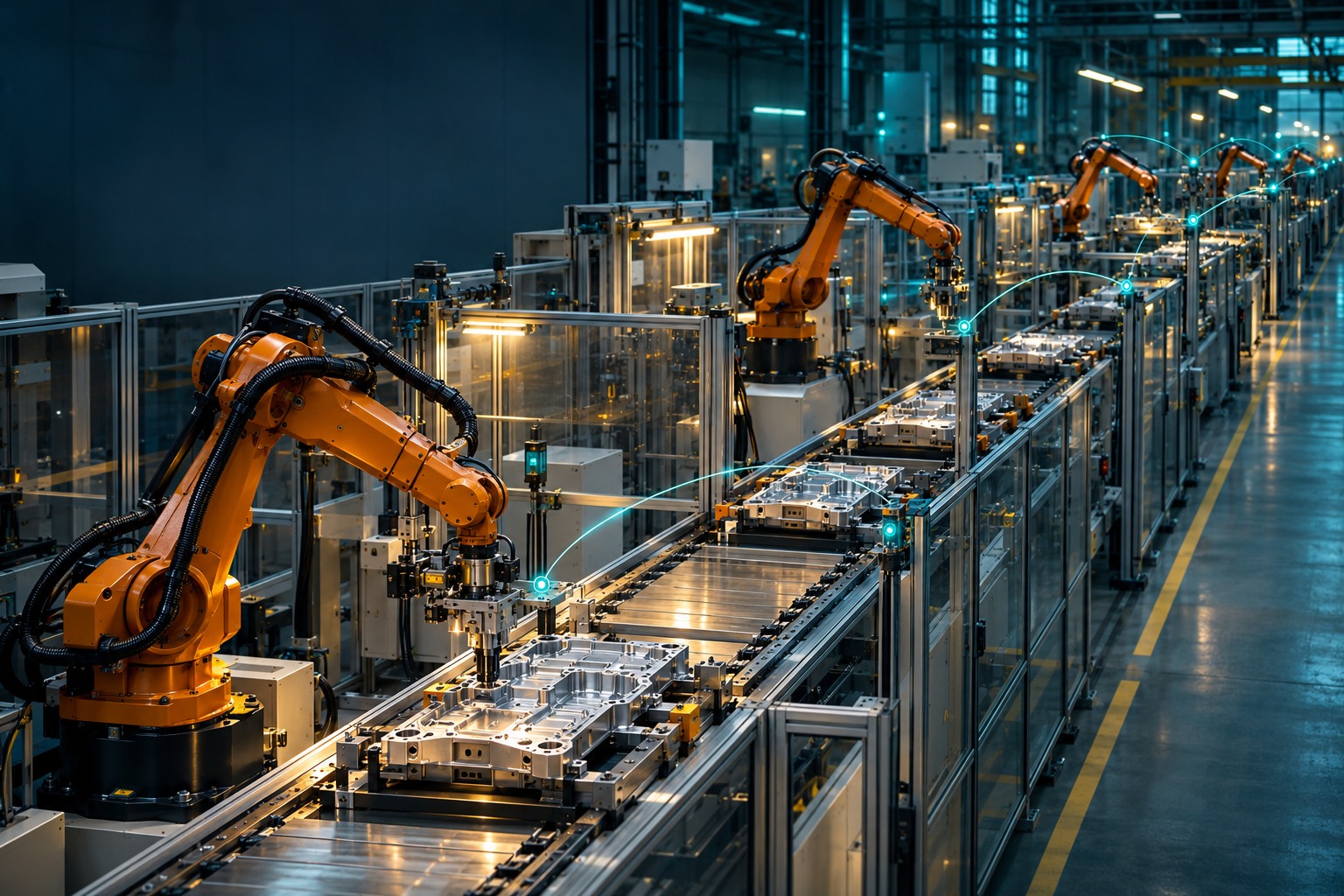
You do not need to replace the machines to connect them. Edge devices, protocol converters and standards such as OPC-UA bring older controllers onto a common, real-time layer, and retrofitted sensors capture signals from equipment that has none. Digital, semi-digital and non-digital machines, PLCs, robots and sensors come together into a single live view — often with no new hardware on the machine itself to get started.
Connect for action, not just dashboards
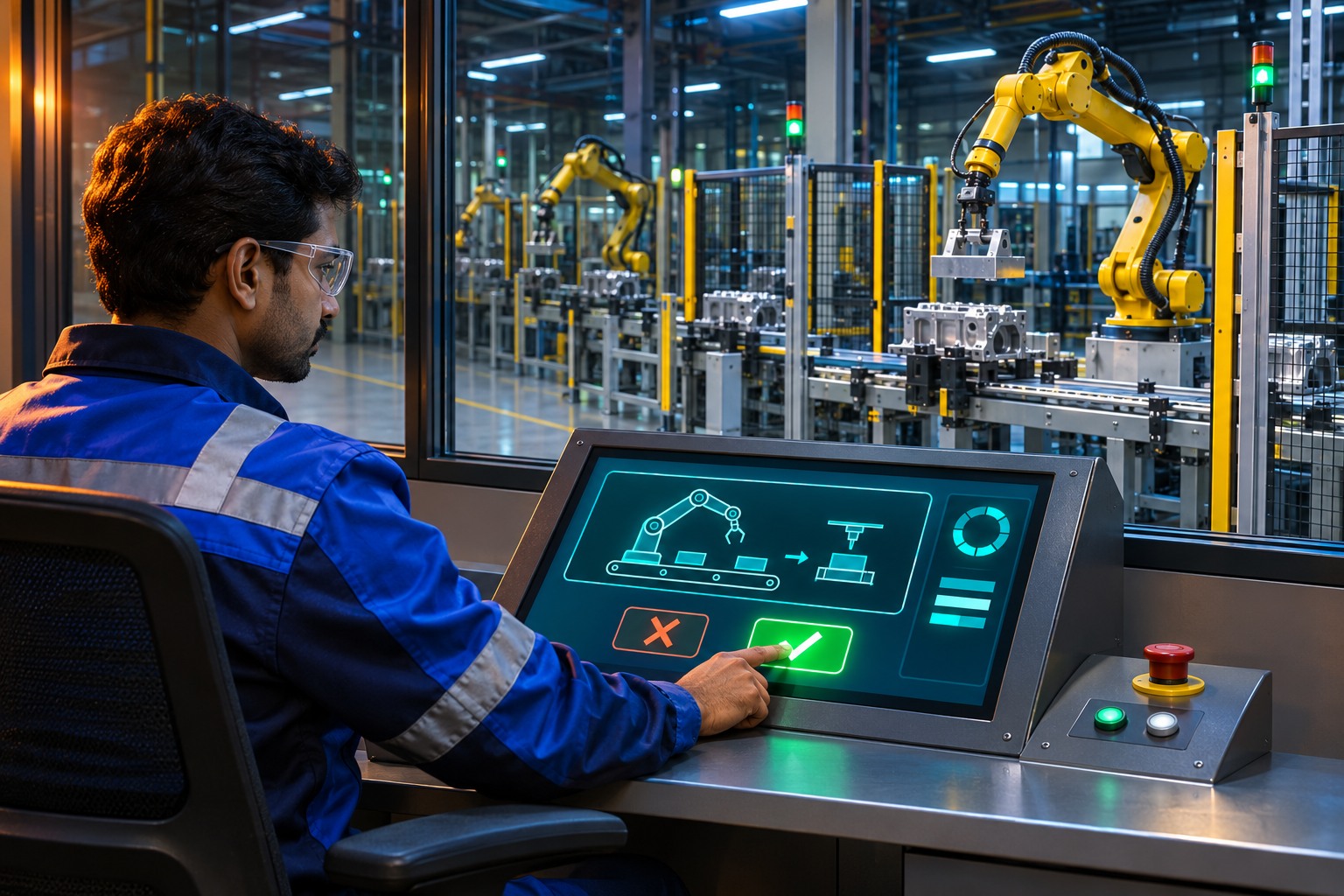
Connectivity is the means, not the end. The goal is not another screen of charts; it is to feed decisions — to read the signals in context, predict where trouble is heading, and guide the next action. Data that only lands on a dashboard is a cost; data that drives an action is an asset.
Start where it pays
The fastest route to value is to connect the machines behind your worst constraint first, prove a measurable outcome there, and expand to adjacent equipment once it is earned. Autonomy does not require connecting the whole plant on day one — it requires connecting the right things first.
Key takeaways
- The barrier is usually connectivity, not the algorithm — the data is trapped in legacy machines.
- Mixed fleets, proprietary controllers and no native networking keep signals locked in.
- Edge devices, protocol converters, OPC-UA and retrofitted sensors connect old and new alike.
- Connect to drive decisions and actions, not just to fill another dashboard.
- Start with the machines behind your worst constraint, prove value, then expand.