
Predictive quality signals
Detect combinations of drift, variation, and context that precede defects.
Explore AI-led products designed to progress from visibility to governed autonomy.
View all products →Explore solutions organized around operational priorities—not software modules.
View all solutions →Explore how IDX-AMOS supports different processes, risks, evidence requirements, and operating models.
View all industries →Explore customer outcomes, our approach to governed AI, points of view, and the latest from INDXO AI.
Visit resources →Products / Quality
PRODUCT 02 · QUALITYPrevent variation before it becomes a defect.
Connect process conditions, inspection history, genealogy, and limits to predict quality risk and prescribe a bounded response.
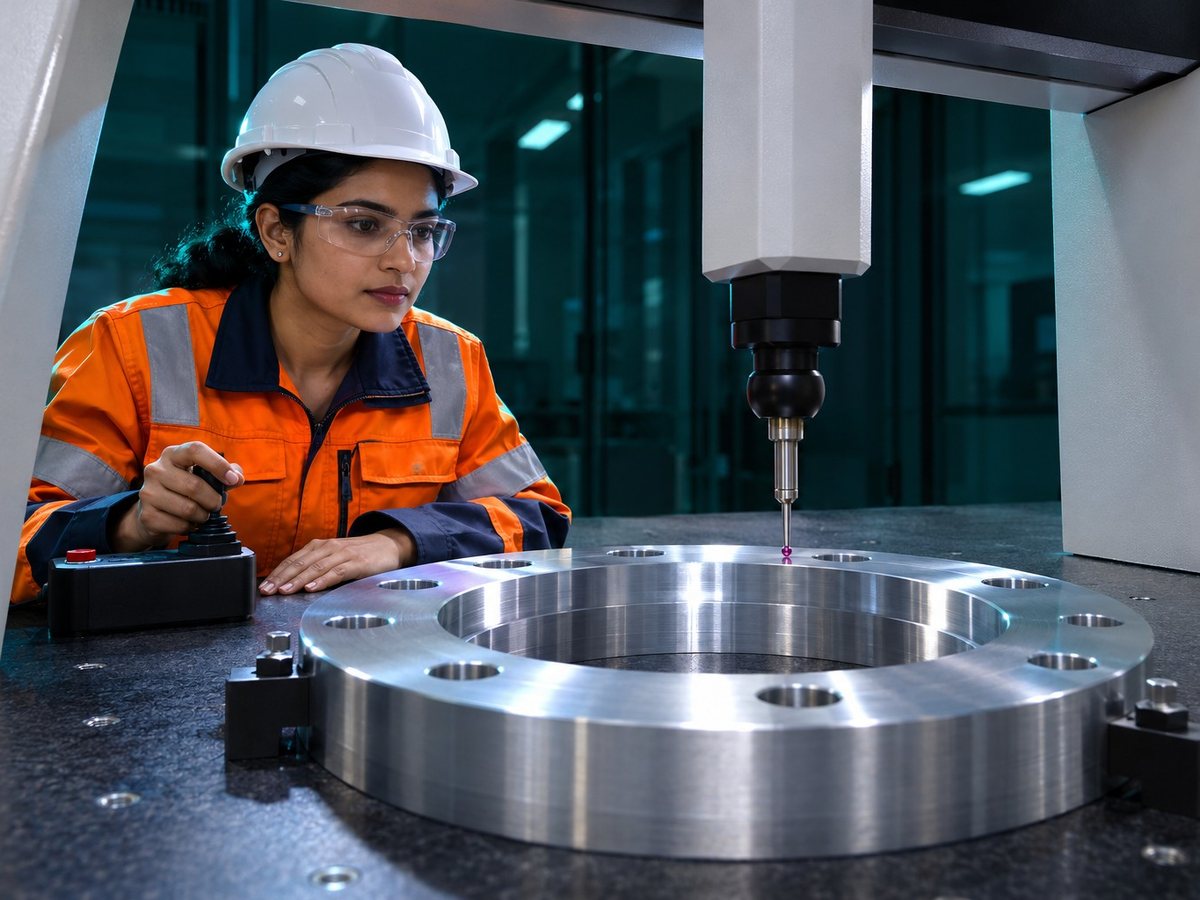
Documents the defect.
Prevents it.
Five places where a traditional QMS stops and AI Quality keeps going.
Cpk weakens while dimensional checks remain inside specification.
Illustrative scenarioEach shares the same IDX-AMOS operating context, so nothing works from a partial picture.
Detect combinations of drift, variation, and context that precede defects.
Connect every inspection and process condition to material, tool, operator, asset, and product history.
Identify affected scope and recommend the smallest defensible hold or verification action.
Show the evidence, contributing variables, and expected impact behind every recommendation.
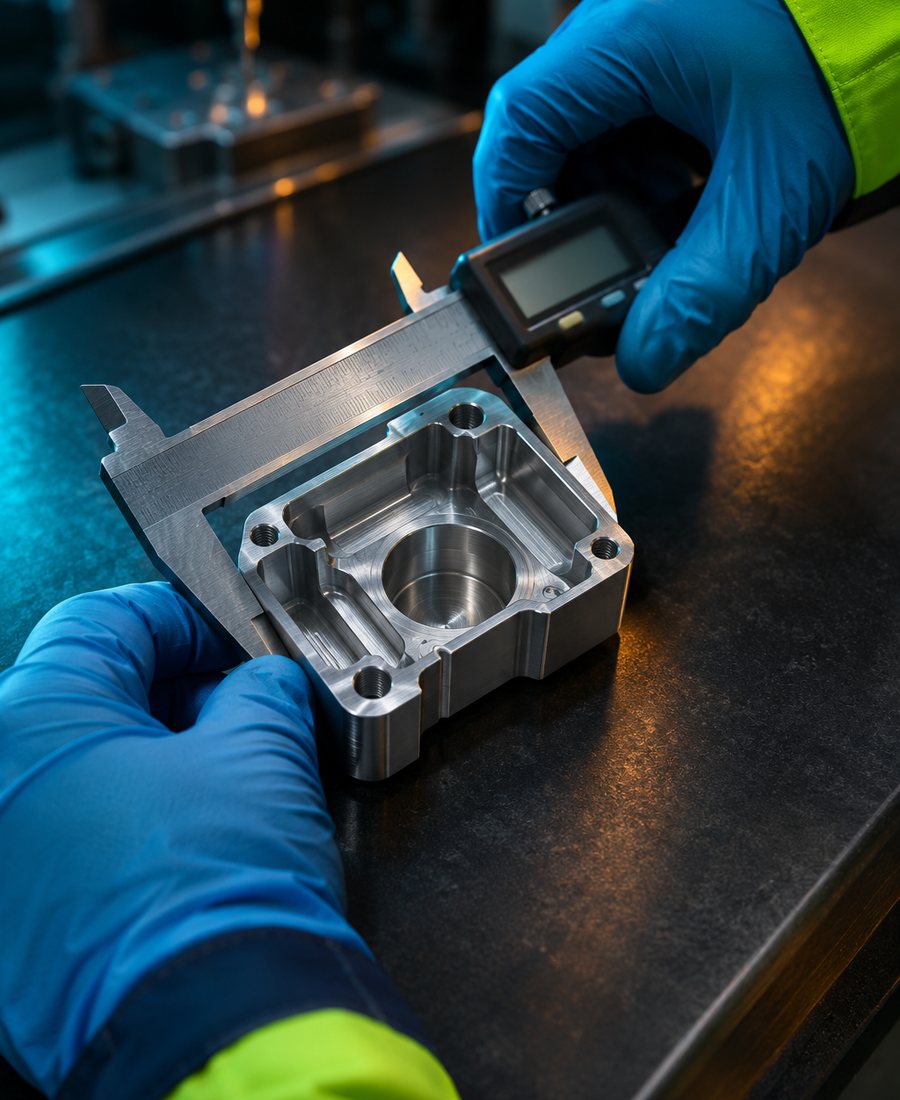
No, though you can. IDX-AMOS can run as your MES, ERP, and QMS in its own right, or work alongside the systems you already have. The right scope for your plant is agreed during the walkthrough.
Only where you allow it. It acts within the permissions, approvals, interlocks, and evidence requirements you define for each workflow. Human authority stays explicit wherever policy, safety, quality, or risk requires it.
Bolt-on analytics chart inspection results. AI Quality reasons across process signals, tooling, material lots, and genealogy to catch weakening capability before a part fails, and routes prevention through your quality authority.