
Failure-pattern intelligence
Detect multivariable degradation patterns beyond single sensor thresholds.
Explore AI-led products designed to progress from visibility to governed autonomy.
View all products →Explore solutions organized around operational priorities—not software modules.
View all solutions →Explore how IDX-AMOS supports different processes, risks, evidence requirements, and operating models.
View all industries →Explore customer outcomes, our approach to governed AI, points of view, and the latest from INDXO AI.
Visit resources →Products / Maintenance
PRODUCT 06 · MAINTENANCEMaintain according to production consequence—not a calendar.
Rank interventions using condition, failure history, operating context, and schedule impact.

Follow the calendar or the alarm.
Follows the consequence.
Five places where traditional APM and CMMS stops and AI Asset Performance keeps going.
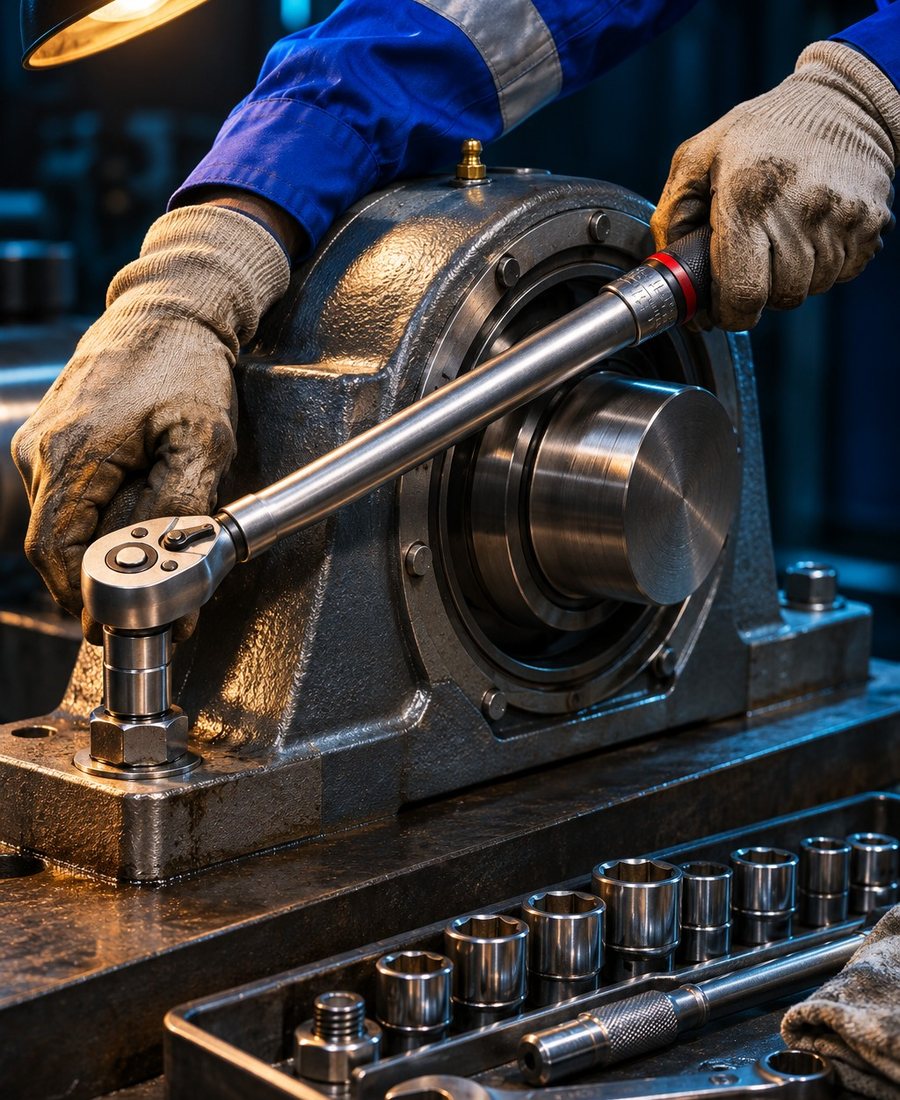
Bearing degradation appears with an estimated six-hour risk horizon.
Illustrative scenarioEach shares the same IDX-AMOS operating context, so nothing works from a partial picture.
Detect multivariable degradation patterns beyond single sensor thresholds.
Rank maintenance by safety, quality, throughput, delivery, and cost exposure.
Match interventions to feasible production gaps, people, spares, and access constraints.
Create approved work, capture findings, and learn from actual asset response.
No, though you can. IDX-AMOS can run as your MES, ERP, and QMS in its own right, or work alongside the systems you already have. The right scope for your plant is agreed during the walkthrough.
Only where you allow it. It acts within the permissions, approvals, interlocks, and evidence requirements you define for each workflow. Human authority stays explicit wherever policy, safety, quality, or risk requires it.
Condition monitoring tells you an asset is degrading. AI Asset Performance tells you what that means for the order on the line, and the best window to act.